Choose your path
Seven Guides for Owners Weighing a Stay
From a typical day to the handoff lesson, each guide answers a question owners ask before sending a dog away.
A Stay, Day by Day
A board and train stay means your dog lives with a trainer for a set number of weeks, practices in short sessions, rests a lot and then comes home with you taught to run the same cues.
$1,500 to $2,500+ general estimate, varies by trainer and marketRead the guide →
Cost Ranges
General estimates for board and train run from about $1,500 to $2,500 or more, and a trainer may charge above that for long stays or tough goals.
$1,500 to $2,500+ general estimate for a typical stayRead the guide →
Home or Kennel Setup
Programs house dogs either inside a trainer's own home or in a separate building with runs, suites or crates.
$1,500 to $2,500+ general estimate, either setupRead the guide →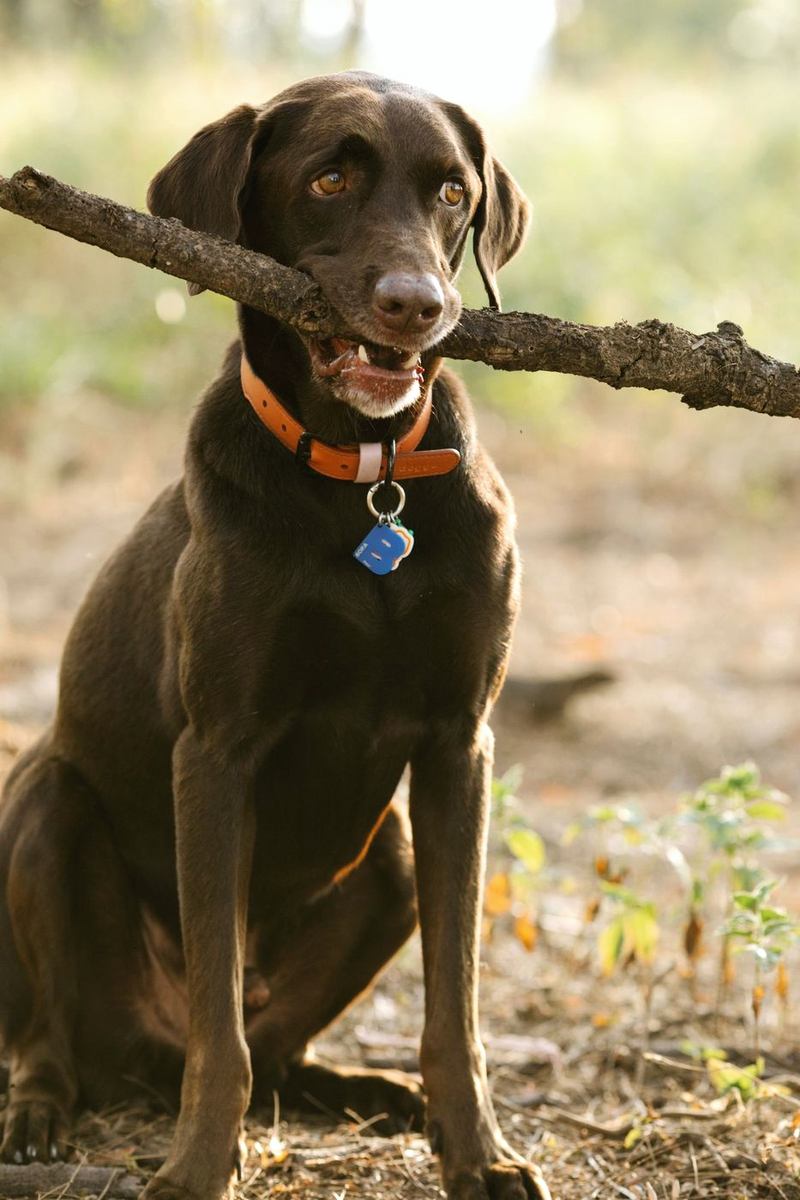
Questions to Ask
Before you pay a deposit that may sit inside a general estimate of $1,500 to $2,500 or more, ask direct questions and write the answers down.
$1,500 to $2,500+ general estimate for a typical stayRead the guide →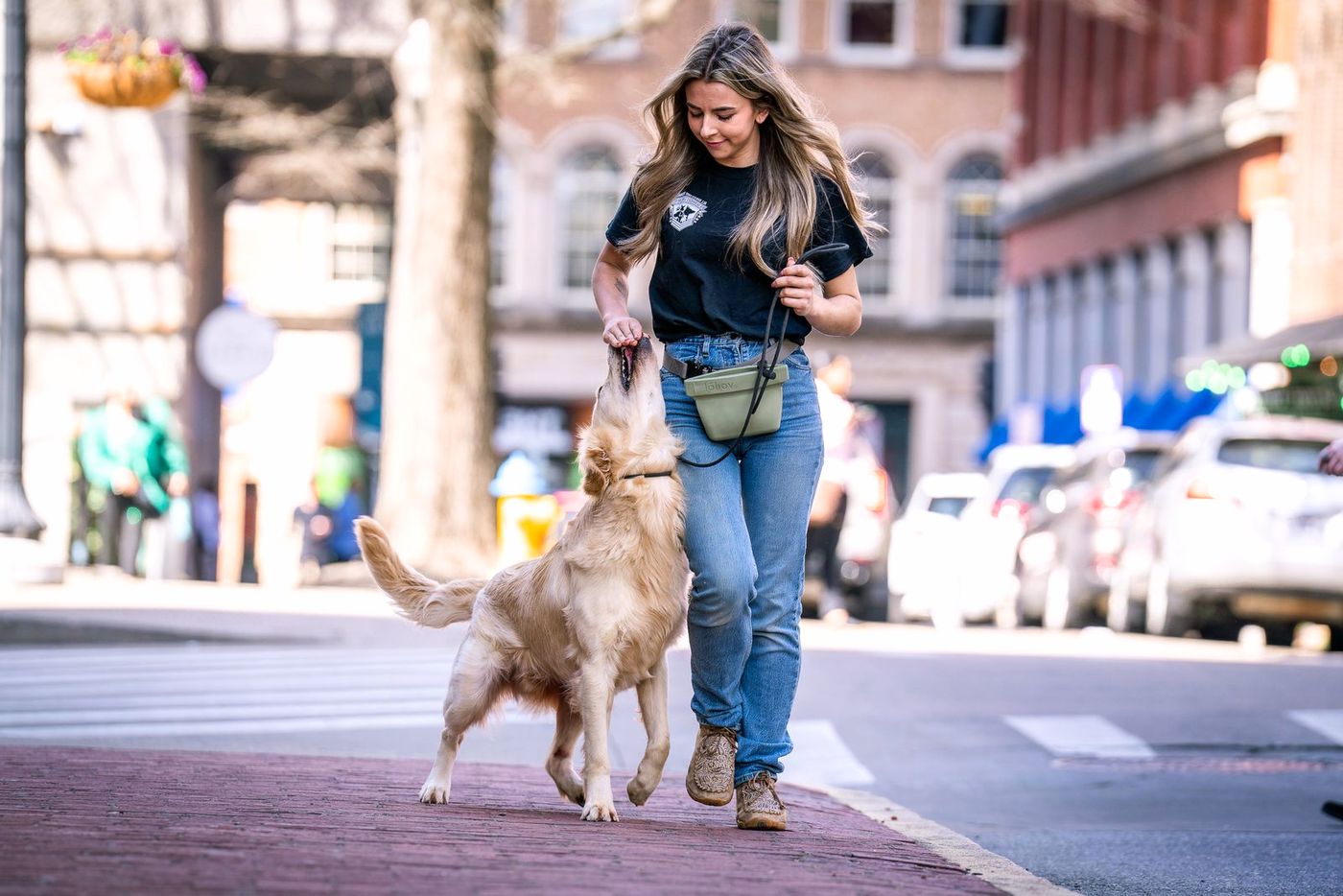
Heat and Humidity
The Charleston area has a humid subtropical climate, with hot, wet summers and mild winters.
$1,500 to $2,500+ general estimate, set by each trainerRead the guide →
Travel and Drop-Off
The Lowcountry stretches across islands, creeks and rural highways, so reaching a program can take longer than the map suggests.
$1,500 to $2,500+ general estimate, transport may cost extraRead the guide →
Handoff and Home
The handoff is where the trainer teaches you the cues, hand signals and routines your dog learned.
$75 to $150 per follow-up lesson, if not includedRead the guide →General estimates only. Prices vary by trainer, dog and market.
Inside a typical stay
A Typical Stay, Stage by Stage
Programs differ, but many follow a similar arc. Use these stages to ask any trainer what each one includes for your dog.
- Arrival
A quiet first evening
A brief goodbye, a tour of the new space and an easy night. The trainer watches appetite, sleep and how your dog copes with a new place.
- First days
Routine before skills
Regular meals, potty trips and rest. Early sessions build name response, eye contact and calm time on a mat, often in the cooler morning hours.
- Week 1
Core cues indoors
Sit, down, place, a release word and the first steps of a loose leash get many short repetitions in a quiet room.
- Week 2
Adding real life
Cues move outdoors and near noise, distant dogs and dropped food. Waiting at doors and coming when called get extra practice.
- Week 3
Ordinary places
Short trips to parking lots, sidewalks and quiet park paths test whether skills hold up away from the training area.
- Last day
Your lesson
You practice every cue, ask questions and leave with a written plan for the weeks at home.
Bring everyone who walks the dog, wear comfortable shoes and plan to practice, not just watch. Ask when the first follow-up should happen and what to do if an old habit returns.
The short version
What a Board and Train Stay Involves
Your dog lives with a trainer for a few weeks, practices short sessions with lots of rest, then you are taught to run the same cues. Each guide below covers one piece of that.
What practice looks like
Quiet work, repeated daily.
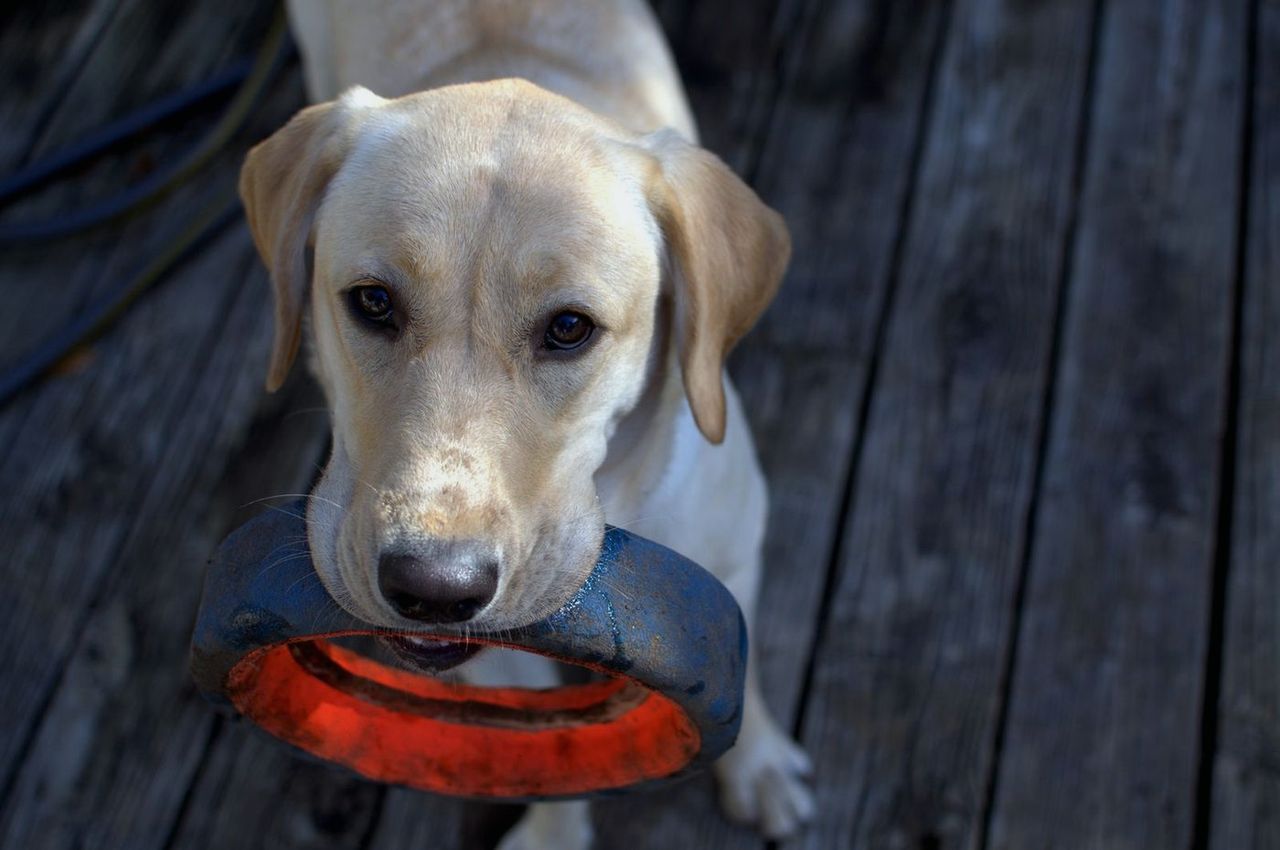
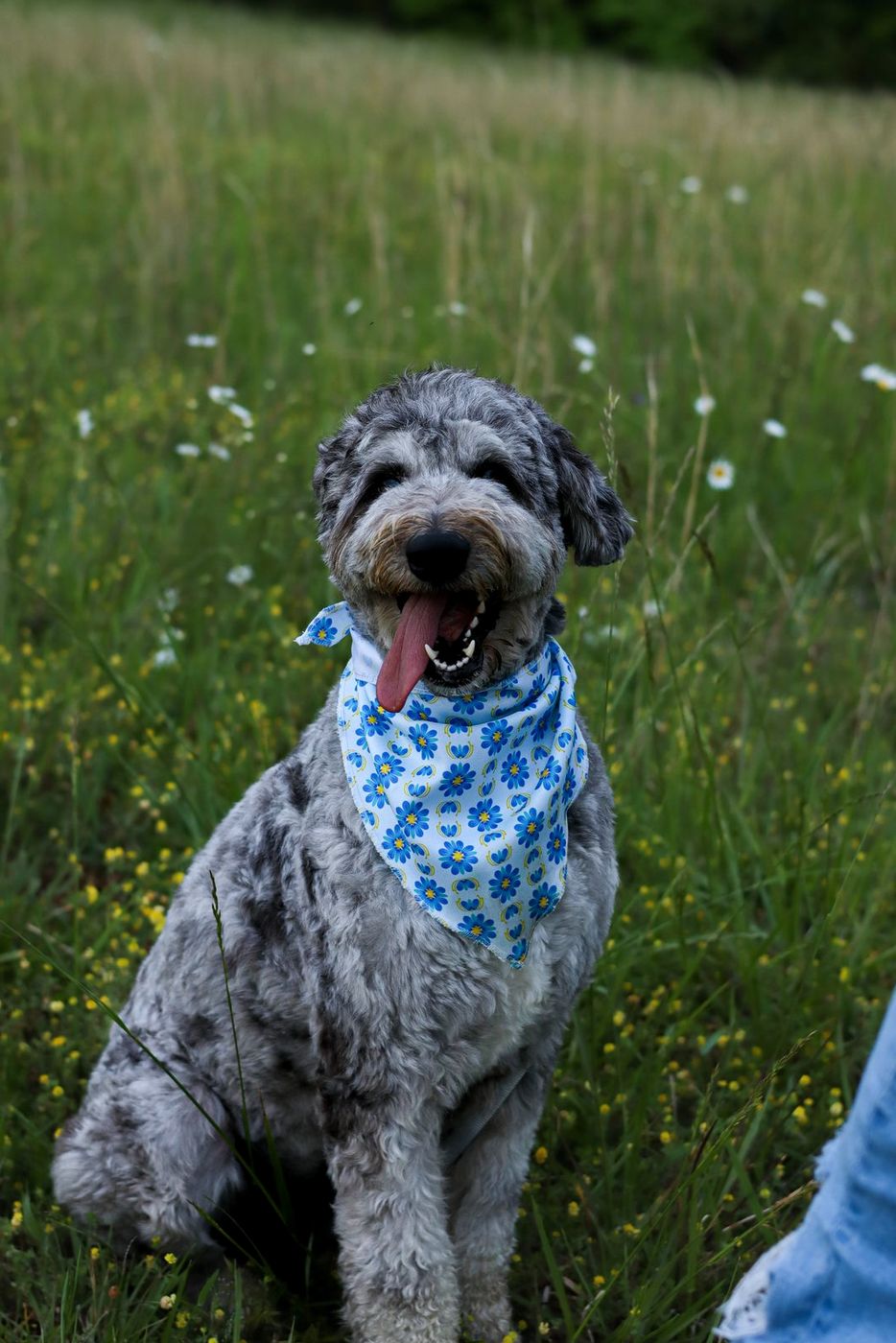
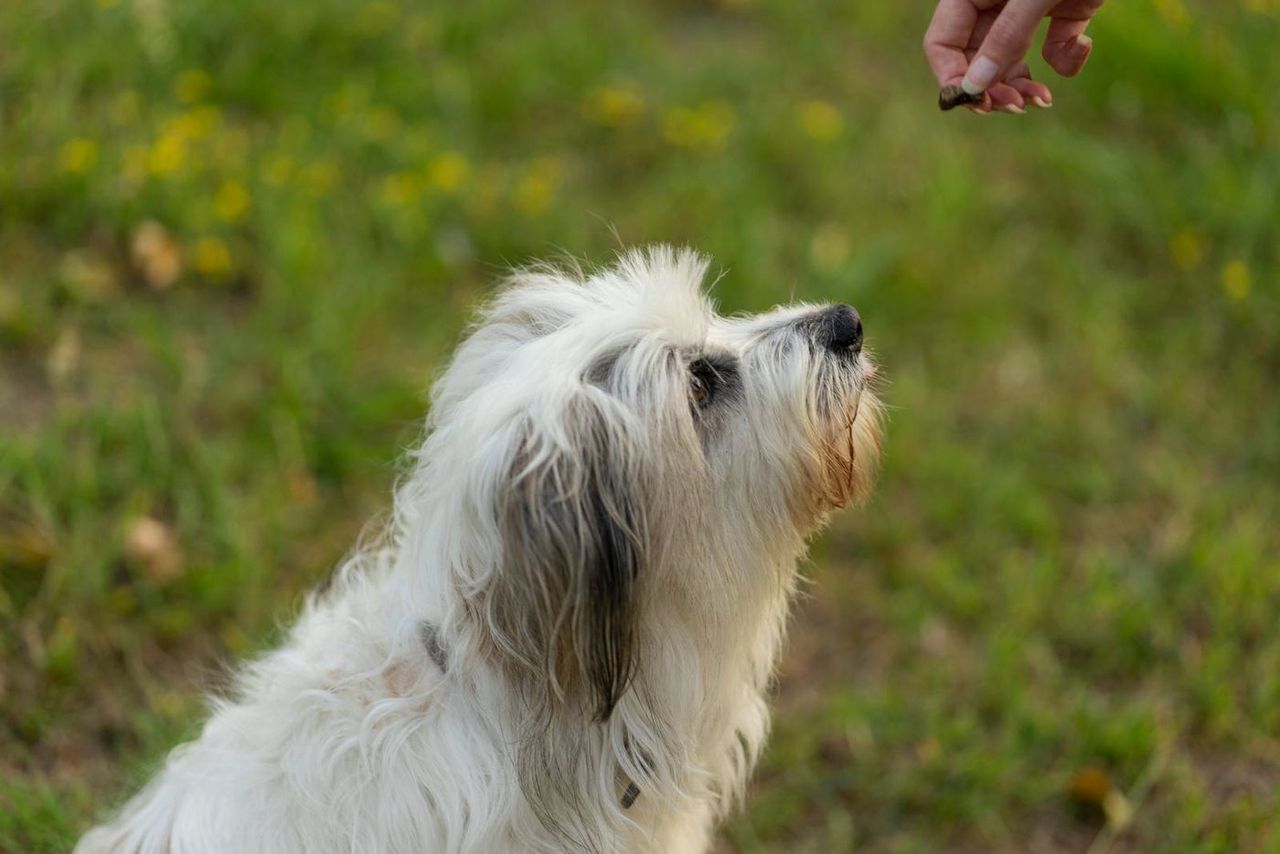
A stay is mostly calm repetition: a dog settling on a bed, waiting at a threshold, walking beside someone on a loose leash.
Service areas
Eight Lowcountry Places, One Plan
From Ravenel to Johns Island, each town page covers the roads, parks and conditions that matter before a stay and in the weeks after.
How it works
Read. Ask. Prepare.
- 01
Read how stays work
Follow a program from the first evening to the last lesson and see where you fit in.
- 02
Ask before you book
Take the question list along and look closely at sleeping areas, cooling and security.
- 03
Prepare for the handoff
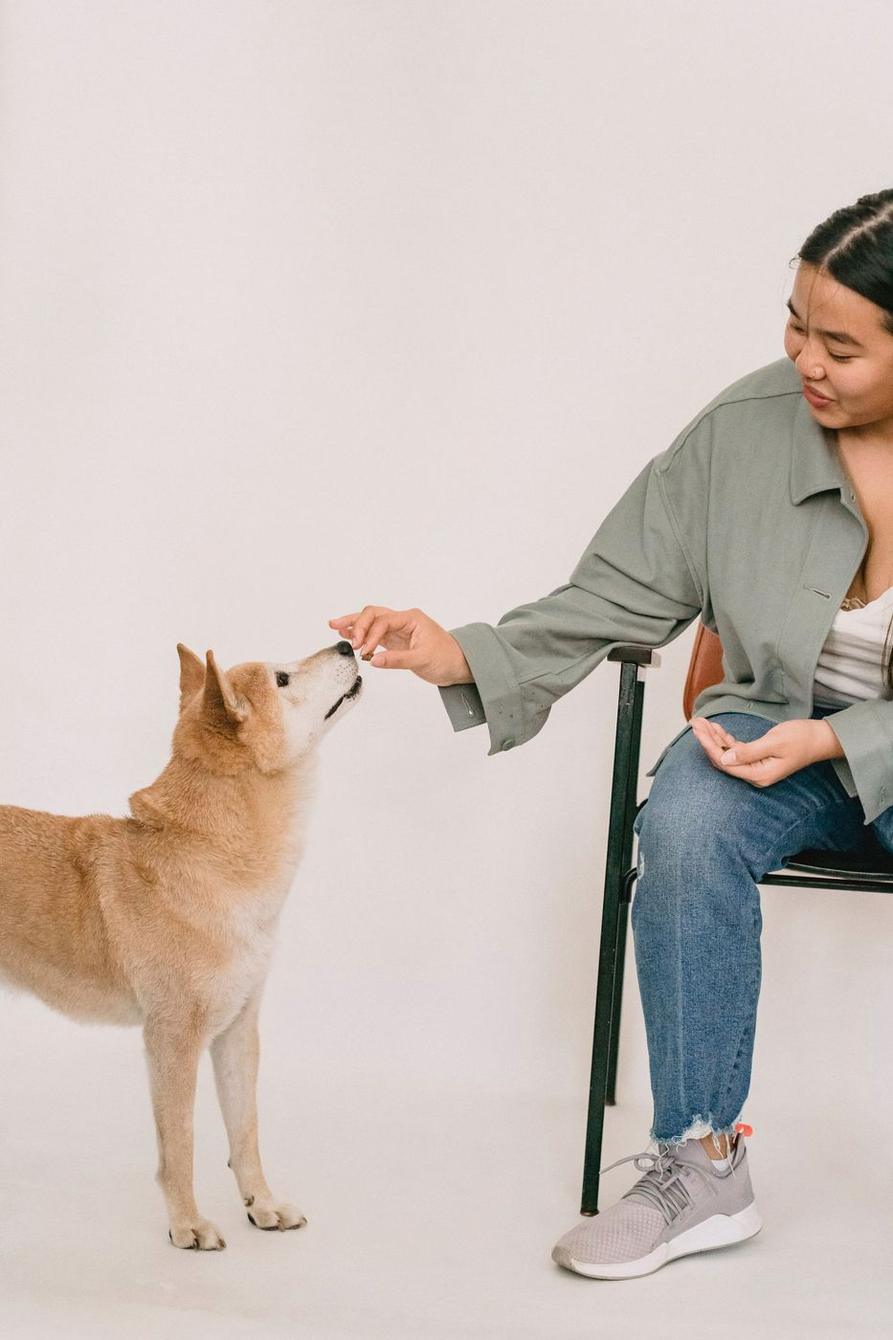
Bring everyone who handles the dog and plan to practice, not just watch.
About this guide
Meant to inform, not to sell.
Choosing to send a dog away for training is a big step, and programs vary a great deal. This guide explains how stays run, what they generally cost and which questions help you judge any program.
Town pages add local notes about roads, county parks, creeks and weather. They draw on public sources such as Wikipedia, county websites and park pages.
About this guide →Trainer availability
Looking for a Program Close to Home?
We are lining up professional trainers in Charleston, and nobody is taking requests from this site yet. The town pages show how the Lowcountry's roads, creeks and weather affect planning.
- Nothing to fill in and nothing to sign
- Stay guides and general costs you can use today
- Local notes for eight Lowcountry towns
How this guide works
Plain steps. Honest limits.
Operated by K9PN. See the Disclaimer for the full picture.
Good questions
Before you begin.
How much does board and train cost around Charleston?
General estimates run from about $1,500 to $2,500 or more for a typical stay. Each trainer sets its own price.
Is a home or a kennel better?
Neither wins by default. Look at supervision, cooling, fencing and how many dogs are present.
What questions should I ask before booking?
Where your dog sleeps, the daily schedule, update frequency, the handoff lesson, insurance and required vaccines.
How does summer heat affect a stay?
Ask when outdoor sessions happen, where dogs rest and how storms are handled.
How do I get my dog to a program?
Plan the route, allow for bridges and weather, and ask whether any program offers transport.
What happens when my dog comes home?
You take part in a handoff lesson, receive a written plan and practice daily. Some slips at first are normal.